H5N1 bird flu has been detected in NZ. Please phone before bringing any sick or dead bird or wildlife to our clinic. Keep the animal outside and wait for veterinary instructions.

Zoetis Recycling Programme VetSouth

VetSouth are proud to be part of the Zoetis Recycling Programme, providing recycling options for our farmers in Gore, Tapanui and Winton. Farmers can return Zoetis livestock vaccine packs, and Teatseal tubes and buckets, to your local VetSouth clinic. Plasback will then collect the waste and and recycle it into FuturePost Fence posts, or reusable plant trays.
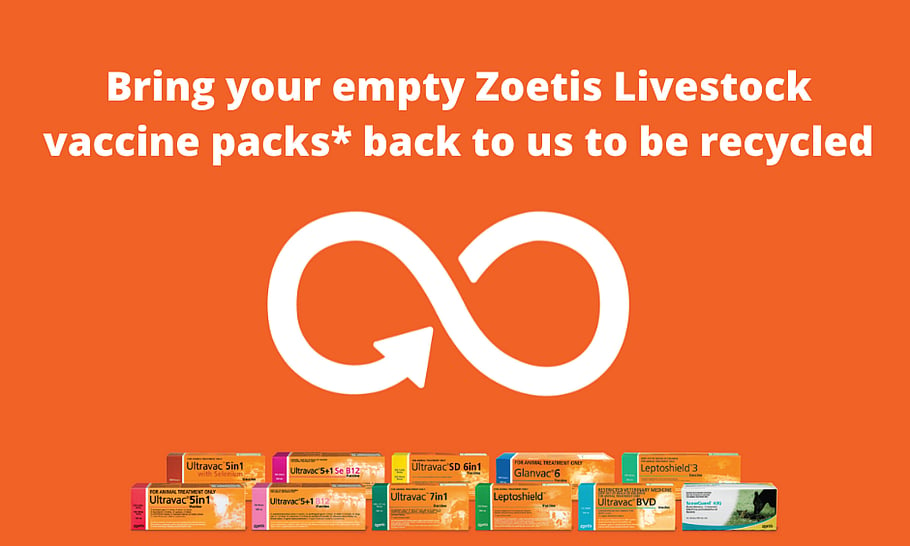
What products can be recycled?

The following Zoetis packs can be recycled:

Teatseal tubes and buckets are also recyclable. Teatwipes are home compostable and marine biodegradable.

Where and when can I drop off my vaccine packaging?

You can drop off your Zoetis packs at our Gore, Tapanui or Winton clinic during opening hours. Find your nearest clinic here.

What about the stoppers or string on the vaccine pack– do these need to be removed?

Yes, stoppers and any string on the vaccine pack will need to be removed. The product must be clean and free from mud/blood.

Does this cost anything?

No, this is fully funded by Zoetis.

What happens to the recycled plastic?

Empty plastic packaging will be collected by Plasback, an accredited product stewardship scheme provider. Plastic packaging will be recycled into new FuturePost fenceposts, or reusable plant trays.

FURTHER READING

Latest news
Why humerus fractures are no laughing matter

The catastrophic fractures occur when bones become weakened by decreased bone mass and increased bone resorption. They are typically seen at two key times: in the seven days either side of calving,Read more

Twenty years of Swede Safari

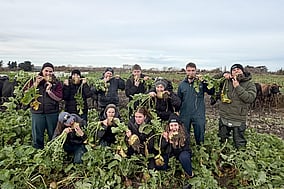
Some 20 years ago, when I was a fresh-faced new-grad vet, Mark came to a few of us with the words: “I’ve got an idea you could help me with…” There have been times I’ve regretted sayingRead more

Plan ahead for post-weaning growth

Now is a good time to think about weaning. I do realise that it's only September, but there are some things you can be thinking about now that will benefit post-weaning growth rates for your lambs.Read more

Saving lambs with dextrose

Lambs born to well-fed ewes with a body condition score of 3 or more will have good reserves of brown fat. This provides readily available energy to fuel a newborn lamb before it absorbs milk.Read more

The effects of ewe wastage

I recently had a look at a study done on three large farms in the North Island, which showed 90% of hoggets left the flock from ewe wastage! That is, only 10% make it through to be cast for age.Read more

Meet the vet herd: Ruby

If you’re around the Clutha area, have you met our new large animal vet Ruby? She joined our South Otago team at the start of the year from Australia. With the launch of our new clinic in Milton inRead more

Practical mineral solutions backed by evidence-based advice

Achieving optimal performance and health from your stock requires more than simply giving some minerals. Understanding what nutrients your animals need, how they should be delivered to be effective,Read more

Nipping it in the bud

With calving season getting underway, it’s time to start thinking about one of the key jobs for your spring calendar: disbudding. While it may not be everyone’s favourite task, doing it early andRead more

Managing springtime stress

While we are a resilient bunch down south, it’s important to remember to look after yourself, as well as your cows, ewes and newborns. You can’t do it all, and you certainly can’t do it withoutRead more

Pre-lamb drench use

Times have changed, and we know our advice has also changed… we get that, but we are seeing farmers understand why this is the case, and it is leading to some great shifts in farm systems to favourRead more

“It just dropped dead!”

With activities such as disbudding and tailing around the corner and stock prices looking positive, it’s worth having a quick refresher on the topic.Read more

Spotting sleepy sickness

This metabolic disorder, also known as pregnancy toxaemia, is most common in multiple-bearing ewes during the last few weeks of pregnancy, when their energy demands are at their highest. It canRead more
 

This product has been added to your cart

CHECKOUT