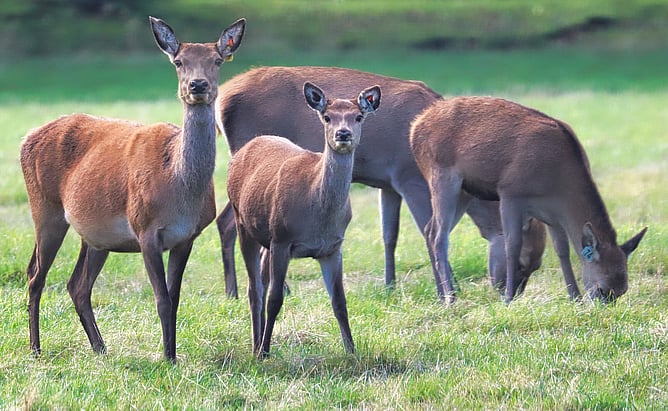
Yersiniosis is a highly infectious disease that affects deer. It is characterised by scours that rapidly leads to death if untreated. Early clinical signs of the disease include a green, watery, smelly diarrhoea which soon becomes bloody.
Yersiniosis is caused by a bacterium called Yersinia pseudotuberculosis, which can be carried by wildlife (birds, rodents, rabbits and hares) and domestic animals (cattle, sheep, pigs and goats). Carrier animals usually remain healthy while they spread the bacteria in their faeces.
The bacterium survives well in soil, water and pasture even during the winter months, and because it is so widespread in the environment it is highly likely that fawns will be exposed to it at some stage.
New Zealand experience has shown the disease is much more prevalent in late autumn and winter, and that its onset may be triggered when deer are exposed to stress.
Many typical stressors occur at, or soon after, weaning (in addition to the stress of weaning itself) – making it a prime time for disease. These include yarding, mixing of deer groups, a sudden change in feed, and transport.
Particularly severe stress occurs in deer that are weaned, sold, and transported to a new property all at once. The weaners have no time to adjust to their new environment and become extremely susceptible to disease.
Cold, wet, windy weather is another big stressor. In bad weather fawns can quickly lose body heat because they have very low fat reserves and their coats do not provide good insulation. They also stop eating as they seek shelter and lie low, leading to less activity in the intestines which reduces heat production and compounds the heat loss problem.
This slowing of the intestinal activity also allows Yersinia organisms to multiply excessively and produce toxins that damage the lining of the intestines. When the toxins cause this damage, it results in bleeding in the intestines, rapid loss of body fluids, dehydration, and shock, which frequently results in death of the affected animal.
Poor nutrition and heavy parasite burdens are also stressors that can trigger the disease.
So, what can be done?
If exposed fawns are healthy, well-fed, and not burdened by parasites or subjected to high levels of stress, any infection will probably be mild and may not even be noticed. However, if the fawns are very stressed at the time of infection, then they may develop the terrible diarrhoea and are likely to die if untreated.
To avoid an outbreak of Yersiniosis, try to reduce the effects of stressful events and preventatively vaccinate fawns with Yersiniavax. Vaccination should be used to enhance good management practices, not as a substitute for a high standard of care.
Ideally, a vaccination plan would include two shots of the vaccine 3-6 weeks apart, with the second one completed at least one week before weaning.
Remember, it's too late to vaccinate once an outbreak of Yersiniosis has started. However, your KeyVet may be able to prescribe other medication to assist you in treating animals and trying to limit deaths.
It's important to note that there are other causes of sudden death and scouring in fawns outside of Yersiniosis, so please consult your KeyVet if you have concerns about your animals. We can perform a post mortem, either at a clinic or on-farm, to try pin down a definitive diagnosis.