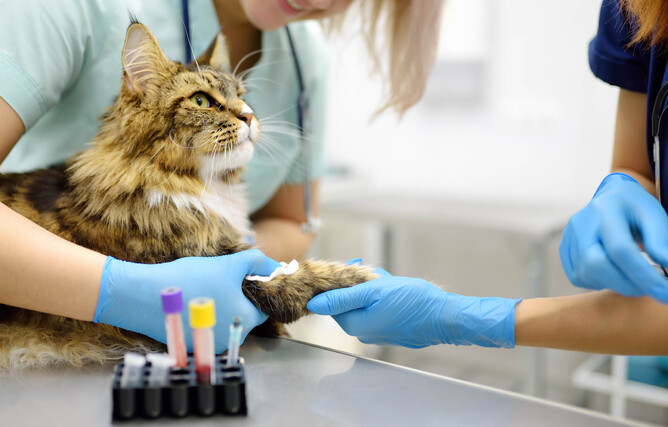
When you take your pet to the veterinarian for a check-up, they may suggest tests or procedures to ensure your pet is in optimal health. This type of testing is called preventative testing.
Preventative testing establishes an individual baseline for your pet, which can be compared to future tests to identify changes. It helps catch underlying issues before they become full-blown problems, allowing your pet to live a longer, healthier, more trouble-free life.
What is preventative testing?
Research shows that diseases and underlying issues can be detected earlier by monitoring your pet’s trends through regular preventative testing. Preventative lab testing is sometimes the only way to identify health issues before they become something serious.
Preventative or diagnostic testing is typically run and analysed at your usual vet clinic, providing quick results. If something of concern is detected, you and your vet can decide the next steps. This may include additional diagnostic tests, a change in diet, a wait-and-see approach (if the changes are considered minor), or developing a treatment plan.
Common preventative tests for pets
The types of tests your vet may recommend for your pet depends on their breed, age, and lifestyle. Some of the most common preventative, diagnostic, or monitoring tests that can be run and analysed in-clinic through preventative testing include:
Blood tests
These tests can provide indicators of the health and function of your pet’s pancreas, liver, kidneys, thyroid, and many other organs and body systems.
Haematology tests
The most common haematology test is the Complete Blood Count (CBC), which examines red blood cells, white blood cells, and platelets. It can help detect conditions like anaemia and leukaemia, and can detect inflammation, immune issues, blood clotting concerns, and possible infections.
Urine tests
This testing looks for the presence of blood, protein, glucose, or other abnormalities in the urine. This shows not just how well your pet’s kidneys are working, but also can identify diabetes, urinary tract infections, and potential risk of bladder or kidney stones.
Benefits of preventative testing
You'll have peace of mind knowing an undetected disease can be caught early.
Early detection means problems can be treated quickly and monitored going forward, lessening the impact on your pet's well-being.
When disease is detected early, it not only improves your pet's outcome but also usually requires less invasive and complex diagnostics and treatments. This, in turn, means the financial costs of these treatments are less.
Ask your vet about running some preventative tests for your pet or call your local VetSouth clinic to find out more.