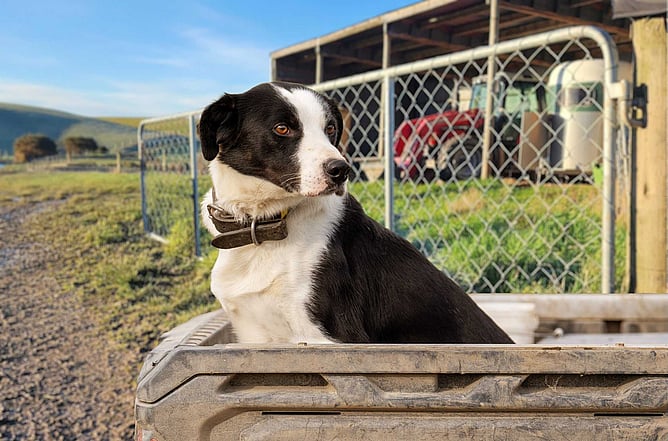
Every autumn and early winter, we see a rise in working dog poisoning cases linked to rat bait, slug bait, and other common farm chemicals.
Recently, we treated a working dog who had a lucky escape after suspected slug bait ingestion. Her owner noticed she was shaking uncontrollably and rushed her into the clinic, suspecting she had accessed slug bait stored in the shed. She arrived with a dangerously high temperature and severe muscle tremors caused by metaldehyde (the toxic ingredient found in many slug pellets).
The dog required intensive treatment, including repeated doses of muscle relaxants, active cooling, intravenous fluids, and overnight monitoring. Thankfully, quick action from her owner and prompt veterinary care meant she made a good recovery.
Metaldehyde poisoning can progress rapidly and lead to organ failure and death without treatment. There is no antidote, so treatment focuses on controlling symptoms and supporting the dog until the toxin passes through the system.
While we have to keep our farms functioning, be careful with how and where you store these other toxins too:
Rat bait - dogs find these baits very tasty, but poisoning can also occur after eating affected rodents.
Anti-freeze - open bottles or even spills are enough to cause harm.
Medication - especially accidental access or over-dosage of non-steroidal anti-inflammatory products.
Insecticides, herbicides, fertilisers, solvents and garden pesticides.
If you suspect your dog has eaten any toxin, contact your vet immediately – don’t wait for symptoms to appear. Quick treatment can make all the difference.