Dry-off time is approaching and if you’ve been struggling with mastitis this season, you’ll be glad to see the cows head off down the road or jump on a truck to go to their winter grazing.
You’ll be hoping that the Dry Cow and/or teat seal you put in is going to do its job over the dry period and they’ll come back all cleaned up of any infections.
However, as much as we’d like to think that will happen, it’s not always the case. Wishful thinking doesn’t amount to much when it comes to mastitis! So, if you want to have less mastitis to deal with and better results next season, now is a great time to make a plan.
Improving milk quality does not have to be complicated or expensive. While Dry Cow Therapy is a big part of mastitis control (both antibiotic and non-antibiotic options – like teat sealants), there are many other equally important things that can help. Small adjustments to management practices on-farm can make a huge difference.
Last season I worked on this with numerous farms I am the KeyVet for who were aiming to improve their milk quality. My main advice: Focusing on each cow in the colostrum mob builds the foundations for good udder health.
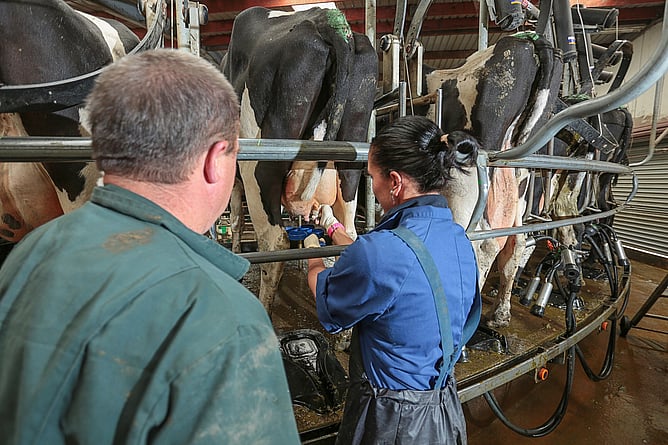
Simple things like cleaning each colostrum cow’s teats with teat wipes at milking time can have a big effect on bulk milk somatic cell count (BMSCC) and mastitis treatment rates later on in the season.
Effective teat spraying is also key. Mixing the spray up correctly and actually getting it on each cow every milking may sound obvious, but you’d be surprised how few automatic teat sprayers do a great job every day. I’m a big fan of manually teat spraying early on in spring – especially for the colostrum mob. Get that teat skin in beautiful condition before she goes into the milking herd.
The other part of milk quality which I find has a massive impact on BMSCC and mastitis treatment success is actually knowing what bugs are affecting your herd. For example, if you are dealing with Staph. aureus, you may be able to make changes to your systems to help lower the spread of this contagious bacteria between cows.
Our in-house DairySmart Jupiter machines can diagnose bacteria in a milk sample. We have done a lot of these tests this season, helping farmers make decisions around management, treatment, and culling. We now have DairySmart Jupiter high somatic cell count plates available to purchase, for those with their own machines on-farm.
If you’re keen to lower your BMSCC, treat less cows for mastitis, and produce more milk next season, utilise milk sample testing and advice from your KeyVet to put together an uncomplicated and effective milk quality improvement plan for your farm.