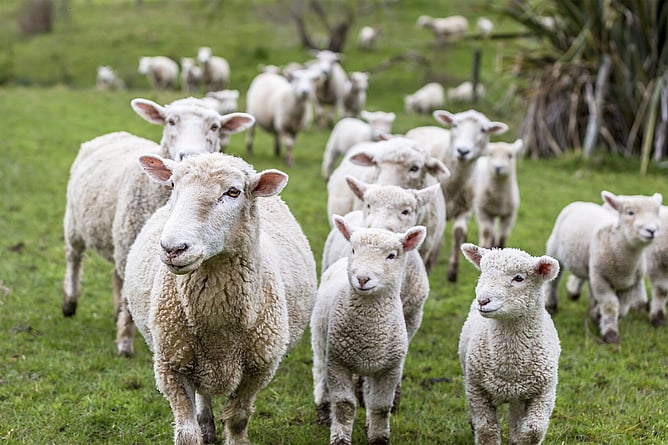
One of the most common issues seen in lambs around weaning is chronic, non-progressive pneumonia (commonly known as ‘viral pneumonia’).
This can be caused by bacteria, mycobacteria and certain viruses. Symptoms are often subclinical, but lambs may have trouble breathing, pant excessively, cough with exercise, and die. Sometimes dead lambs are the first indicator of this on a farm.
Lambs with pneumonia are more likely to develop pleurisy (when lungs stick to the chest wall). When more than 20% of the lung surface is affected by pneumonia, growth rates are halved. These lambs are often downgraded or condemned at the works.
Some on-farm factors that increase the risk of pneumonia in lambs include stress, shearing or drenching at weaning time, high temperatures and humidity, overcrowding, dust, poor ventilation, excessive exercise, low immunity, and high parasite burdens.
Stress and other risks when weaning predispose lambs to the development of viral pneumonia. Effects can be seen within 7-10 days of weaning (often with sudden deaths), and can continue for many months afterwards, with slow growth and failure to thrive. Prevention is better than cure, as there is no treatment once lambs are affected.
Below are some key do’s and don’ts to help you reduce these pneumonia risk factors on-farm this weaning.
Do:
Aim for low stress weaning.
Monitor growth rates and overall animal health.
Well-fed, healthy lambs are more resilient to pneumonia and other challenges (e.g. parasitism).
Remember: stress and parasite burdens can significantly weaken immunity.
Muster in the early morning or evening.
Cooler, less humid conditions reduce heat stress on lambs.
Move lambs quietly and at their own pace.
This helps prevent open mouth panting and reduces respiratory strain.
Make use of satellite yards.
This shortens travel distances, allows smaller mobs to be worked, and helps prevent overcrowding in sheds.
Water yards to minimise dust (especially in dry conditions).
Keep yarding time as short as possible.
Monitor lambs closely after weaning.
Watch for coughing, panting, or poor weight gains.
Don’t:
Muster during the heat of the day or in high humidity if possible.
Overuse vehicles or dogs when moving lambs (particularly in confined areas).
Overcrowd yards or sheds.
Overcrowding raises heat, humidity, and disease transmission.
Drench and shear on the same day as weaning.
Combining multiple stressful events significantly increases pneumonia risk.
Ignore uneven growth rates or signs of panting after mustering.