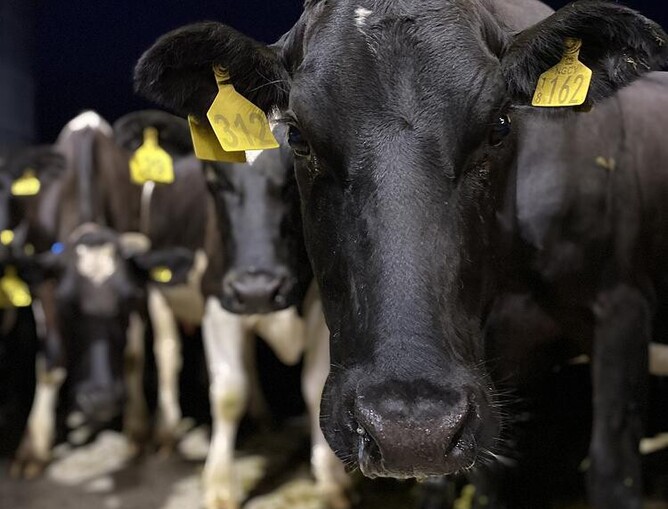
New machines mean we can help you to make more informed drenching and management decisions with fast FEC results now a reality for all stock.
With a constant stream of decisions to make and work to be done on-farm, new technology that makes it easier for farmers to manage their animal health needs gets a thumbs up from us!
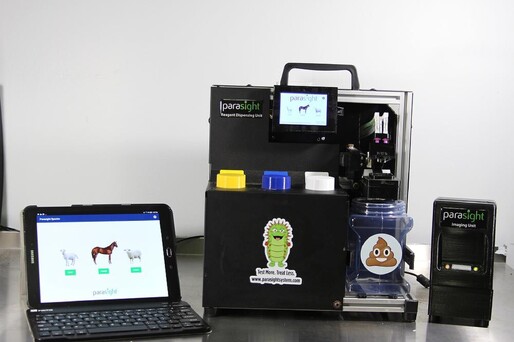
We have just received some new faecal egg count (FEC) machines – called Parasight machines – that will be able to give us results in less than 5 minutes, which we are pretty excited about.
These machines are highly sensitive, detecting egg counts as low as 4 eggs per gram. In comparison, traditional microscopes ran 50 eggs per gram at their lowest count.
The Parasight system was born in Australia to combat the rise of anthelmintic (drench) resistance. The portable, push-button machines show you an image of the parasite eggs and generate a count of the eggs per gram in any given sample for cattle, sheep, goats and horses.
Anthelmintic resistance is a growing concern in cattle and other farm animals. To minimise this problem, we want to avoid over-treating stock with drench, or treating them with ineffective products.
FEC is one of the most effective tools we have for slowing this resistance. It assesses patent infections in animals by determining the egg output from adult laying worms.
FEC testing can assist in parasite management decisions by:
Confirming a diagnosis of parasitism, and assessing if anthelmintic treatment is required;
Assessing likely contamination of pasture, particularly from youngstock;
Checking efficacy and assessing possible resistance to anthelmintics by doing a pre-drench and post-drench check.
It is important to note that once calves reach 8-9 months of age, they develop some immunity to parasites that can lead to suppression of egg production, and therefore FEC on older cattle may not give a good indication of the current parasite challenge.
If you want to get a faecal sample tested, rectal samples are preferred, however a fresh sample can be collected from the ground if it is less than 10 minutes old and is still warm and moist.
Ten or more individual faecal samples per group are preferred. Just bring them into your nearest clinic, or contact your local farm delivery team to arrange for them to be collected from your farm on your normal delivery day.
With the new Parasight machines making running the samples so easy, it will mean that even during busy times of the year our vets and techs will be able to process your samples in-house, which means a speedier turnaround time for you and ultimately enables you to make quick and easy drenching decisions.